


Cheap Seeds, LLC
Mammoth Long Island Dill
Mammoth Long Island Dill
Couldn't load pickup availability
Type: Heirloom
Packet size: 20+ seeds
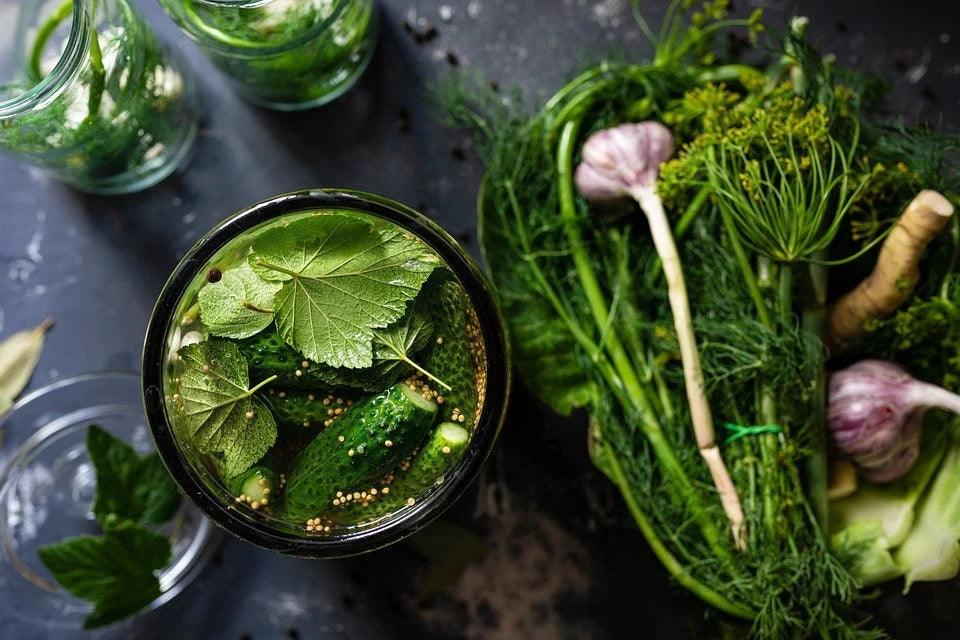
Anethum graveolens. Mammoth Long Island Dill is a classic heirloom herb known for its tall, vigorous growth, abundant aromatic foliage, and large flower and seed heads. A traditional favorite for homemade pickles, this productive dill variety provides flavorful fresh leaves as well as mature dill seed heads for pickling and preserving.
Fresh dill leaves add wonderful flavor to cucumbers, potatoes, salads, sauces, fish, and other dishes. When allowed to flower, the large yellow umbels attract bees and beneficial insects, making Mammoth Long Island Dill a useful addition to vegetable, herb, and pollinator gardens.
🌱 Growing Information
How to Grow Mammoth Long Island Dill from Seed
Planting Depth: ¼ inch
Seed Spacing: 8–12 inches
Row Spacing: 18–24 inches
Germination Time: 7–14 days
Days to Harvest: 40–60 days for leaves; approximately 90 days for seed heads
Sun Requirements: Full Sun
Planting Tips:
Direct sow Mammoth Long Island Dill seeds outdoors in spring after the danger of hard frost has passed. Dill develops a long taproot and generally performs best when sown directly where it will grow rather than transplanted.
Plant in well-drained soil with plenty of sunlight and keep the soil evenly moist while seeds germinate and young plants become established.
Harvest fresh dill leaves as needed throughout the growing season. For homemade pickles, allow plants to mature and develop their characteristic flower and seed heads.
For a continued supply of fresh dill leaves, sow additional seeds every few weeks during suitable growing weather. Allow some plants to flower if you want to attract bees and other beneficial insects or harvest mature dill seeds.
🌱 Great for herb gardens, vegetable gardens, raised beds, pollinator gardens, and large containers.
Container Size: Use a deep, stable container at least 10–12 inches deep with good drainage.
Share

- 5 stars: 3 (100%)
- 4 stars: 0 (0%)
- 3 stars: 0 (0%)
- 2 stars: 0 (0%)
- 1 star: 0 (0%)
Another excellent fresh product!
Thank you!
The best dill! Waiting until spring is hard. Speedy service and delivery, thanks!
Mammoth Long Island Dill